Anxiety attacks can feel overwhelming, sudden, and physically intense. For many individuals, symptoms such as rapid heartbeat, shallow breathing, racing thoughts, dizziness, or a sense of losing control can make it difficult to feel grounded in the moment. During these episodes, learning practical coping strategies that help calm the nervous system can make a meaningful difference.
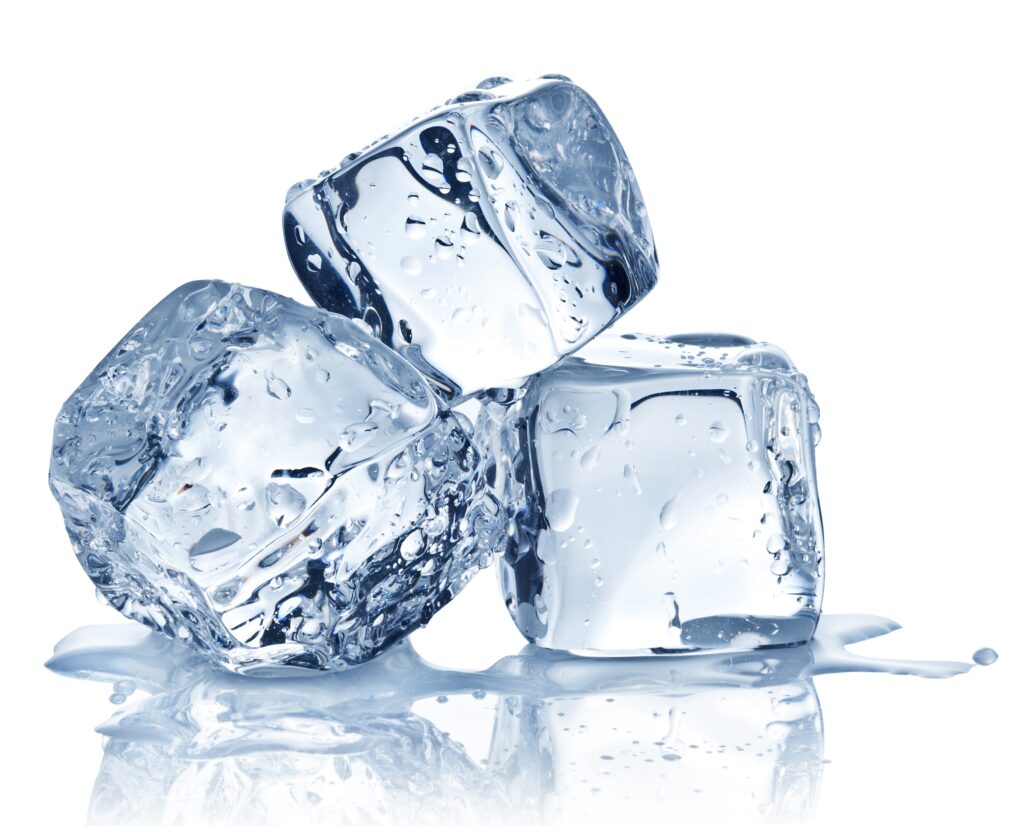
One simple yet highly effective grounding method used by therapists is the ice cube technique, also known as an ice-grounding technique. This approach uses cold sensory input to quickly shift your focus away from anxious thoughts and back into the present moment.
Many people wonder, does ice help with anxiety? The answer is yes for many individuals. Techniques like holding ice for anxiety or using ice packs for anxiety can provide fast, noticeable relief during distressing moments.
Below, we explore how this method works, how to use it safely, and when it may be most helpful.
Anxiety attacks occur when the body’s fight-or-flight response becomes activated, even when there is no immediate danger. This response is controlled by the autonomic nervous system and can cause:
When anxiety escalates, the brain focuses on perceived threats, often amplifying distressing thoughts. Grounding techniques work by shifting attention from internal anxiety to external physical sensations, helping the nervous system regulate itself.
Using ice during an anxiety episode, sometimes called an ice panic attack technique, is a form of sensory grounding. The intense cold sensation immediately captures your attention and interrupts anxious thought loops.
Whether you’re holding ice cubes for anxiety or placing an anxiety ice pack on your body, the goal is to anchor your awareness in the present moment.
Find Ice or an Ice Pack: Locate a piece of ice, a frozen gel pack, or even a cold object from the freezer.
Hold the ice in your hand: place the ice in your palm or wrap it lightly in a cloth if the cold feels too intense.
Focus on the Sensation: Pay close attention to:
The cold temperature
The texture of the ice
The contrast between the cold ice and your body’s warmth
Practice Deep, Controlled Breathing : While holding the ice:
Inhale slowly through your nose
Exhale gently through your mouth
Focus on the rhythm of your breath
Stay Present : Notice changes as the ice melts. Observe sensations without judgment. This mindful awareness helps anchor you in the present moment.
This combination of sensory input and breathing can calm the nervous system and reduce the intensity of anxiety symptoms.
If holding ice feels uncomfortable, you can use an ice pack for anxiety on different areas of your body, such as:
If you’re wondering where to put ice pack for anxiety, these areas are effective because they are sensitive to temperature and closely connected to the nervous system.
Techniques like the ice cube technique work because they:
Cold exposure may also stimulate the vagus nerve, which helps regulate stress responses. This is why many people report that holding ice cubes for anxiety can quickly reduce symptoms.
While sensory distraction can provide temporary relief, anxiety often stems from negative or irrational thought patterns. Alongside grounding, it can be helpful to gently challenge anxious thoughts.
Reframing Anxious Thoughts
Ask yourself:
Replacing catastrophic thoughts with more realistic ones can reduce long-term anxiety and prevent future episodes from escalating.
While many people find relief using ice packs for anxiety or holding ice for anxiety, this technique may not work for everyone.
You should seek additional support if:
Other Helpful Grounding Techniques to Explore
If ice is not effective, alternatives include:
A mental health professional can help identify which strategies are most effective for your unique needs.
While self-help techniques are valuable, ongoing anxiety may require structured therapeutic support. A licensed mental health therapist can help you:
Professional therapy provides a safe, supportive environment to explore anxiety and regain a sense of control and confidence.
STL Mental Health is a trusted mental health therapy practice located in Creve Coeur, Missouri, serving individuals and families throughout the St. Louis area.
The practice is supported by a team of licensed mental health therapists who work collaboratively to provide compassionate, evidence-based care.
STL Mental Health (Pearlman & Associates) specializes in supporting individuals facing anxiety, depression, relationship challenges, and other mental health concerns.
Location:
655 Craig Road, Suite 300
St. Louis, MO 63141
Phone: 314-942-1147
Email: bryan@stlmentalhealth.com
👉 Learn more or schedule an appointment:
https://www.stlmentalhealth.com/contact-us/
For further reading on anxiety management and grounding techniques, explore:
These evidence-based resources provide complementary insights alongside professional therapy.
Managing anxiety isn’t about one perfect solution, it’s about finding what works for you. Techniques like the ice cube technique, holding ice for anxiety, or using an anxiety ice pack can offer fast relief in overwhelming moments.
But for lasting change, combining these tools with professional support can make all the difference.
